I designed an AI-native workflow for our Hong Kong luxury-property reports (monthly, quarterly, half-year) and ran the first edition of each. AI does the data, writing, design and video; people set the direction and review.
CompanyLandz & Landma · Global ResearchRoleWorkflow design; lead author of the half-year reportToolsClaude Code, Codex, WorkBuddy, Python, SQL
2 months→3 weeksHalf-year report writing time (approx.)
61→10→1Issues caught in three rounds of multi-agent review
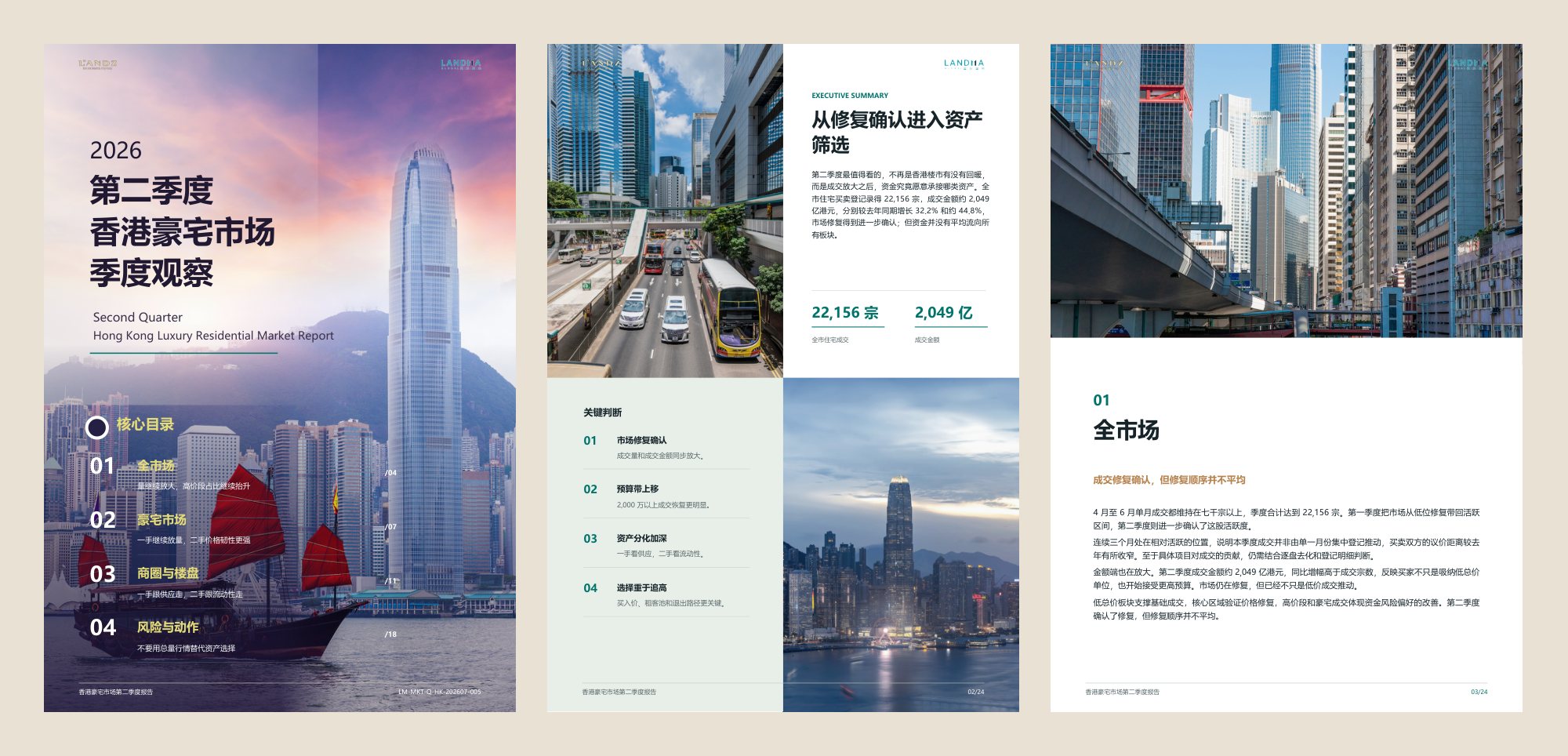
First three pages of the Hong Kong Luxury Residential Market Report, Q2 2026 (in Chinese).
01The problem I found
A half-year report used to take about 2 months
Information came from asking around and searching the web. Several people wrote separate parts, merged them and took the draft to a review meeting. If the direction was off, we started over.
How reports used to be written9 problems with writing reports by hand
Information was scattered and slow to collect; some of it was hard to find at all
The structure was hard to settle: what to cover and how to fit it together
One wrong direction meant redoing the whole process
Numbers from different sources didn't match, so definitions were rechecked every time
Several authors meant uneven style and conclusions, and merging was painful
Know-how lived in people's heads; every newcomer started from scratch
Charts were redrawn by hand and design was outsourced, with many rounds of edits
Errors surfaced late, only at the review meeting
The cycle was so long that the data was stale by publication
02How I solved it
Six steps per report: AI drafts and executes, people decide
1Set definitions
AI proposes rules from the data; people finalize them against how the market really works.
What counts as luxury
New homes vs. resale
Compare only same source, same period
AI proposesPeople decide
2Process and analyze data
Collect what each source offers, clean it, then analyze.
Official data and deal-level transactions
Audit first, then clean
Align definitions before analysis
AI executes
3Outline
AI drafts the structure; people revise it and sign off.
AI studies past top reports
Key judgments are made by people
AI draftsPeople sign off
4Write and review
AI writes section by section, self-checks against the guardrails, goes through multi-agent review, then reaches a person.
Guardrails: never alter numbers, never fabricate
Each section gets only the relevant material
AI writesMulti-agent reviewHuman review
5Design and promotion
Turn the final draft into what gets published.
Designed report
Explainer video series
Social posts and posters
AI executesPeople provide templates
6Retrospective
Log the errors and the slowest steps, then package it all as Skills so the next run is faster and steadier.
New failure modes become new guardrails
Outdated rules are replaced monthly
Led by people
MeDesigned the workflow and spelled out every step; ran the first edition of each report type
Interns8 over time, producing the monthly reports and videos with the Skills
ReviewI review first, then my mentor, then the review meeting
Tools
Claude Code, CodexMulti-agent writing and review
WorkBuddy, DeepSeekA second review on a different model
Python, SQLData processing and analysis
CapCut, CodexExplainer videos
Jimeng, ChatGPTPromo images and posters
03Keeping AI in checkKey
AI clears its own checks before a person sees it
Different agents write and review, and a different model reviews again. Anything that fails is fixed against a correction plan and re-reviewed; new errors go back into the Skills, which are updated monthly.
How each section is written now: AI passes its checks before a person sees it
↻ New failure modes are added to the Skill's guardrails; Skills are updated monthly.
AI executesCheckHuman
Half-year report: what each round of multi-agent review checked and fixed
61
Round 1: numeric recomputation, external fact-check, chart consistency and style guardrails, all at once
17 numbers corrected against raw data
17 chart and text mismatches aligned
24 overstated words replaced
3 wrong or outdated facts updated
10
Round 2: a full number audit of the revised draft
10 number or fact errors corrected
3 charts fixed: 1 redrawn, 2 revised
1
Final round: checked against official data before sign-off
June volume taken from the wrong year, fixed before publication
Each round starts with a correction plan; the next round begins only after the fixes.
Errors caught (examples)What the draft said → what it was corrected to
Q1 luxury transactionsRound 1about 1,000→758Recalculated from raw deal data; the draft was about 32% too high
Average price, year on yearRound 1up about a tenth→up 14.3%Recalculated from raw deal data
June official volumeFinal round5,955→7,650Checked against official data: the draft used the June 2025 figure
The harness behind the workflow
In AI engineering, a harness is the scaffolding around the model: the guardrails, context, orchestration and checks that keep its output on spec and catch mistakes. It wasn't written in one go: every new failure mode added a guardrail or a check. Each "prevents" below is a mistake that actually happened.
100K+Shares of one explainer video on WeChat Channels
1 weekFrom report to finished video, down from about 1 month
8 internsTook over in turn; the reports kept coming out every month
What it became
Research Report Plugin
Split by stage into single-purpose Skills, bundled as one Claude Code plugin that installs in one step.
Data processingWriting and reviewReport designExplainer video
Updated monthly: outdated rules retired, new failure modes added as guardrails.
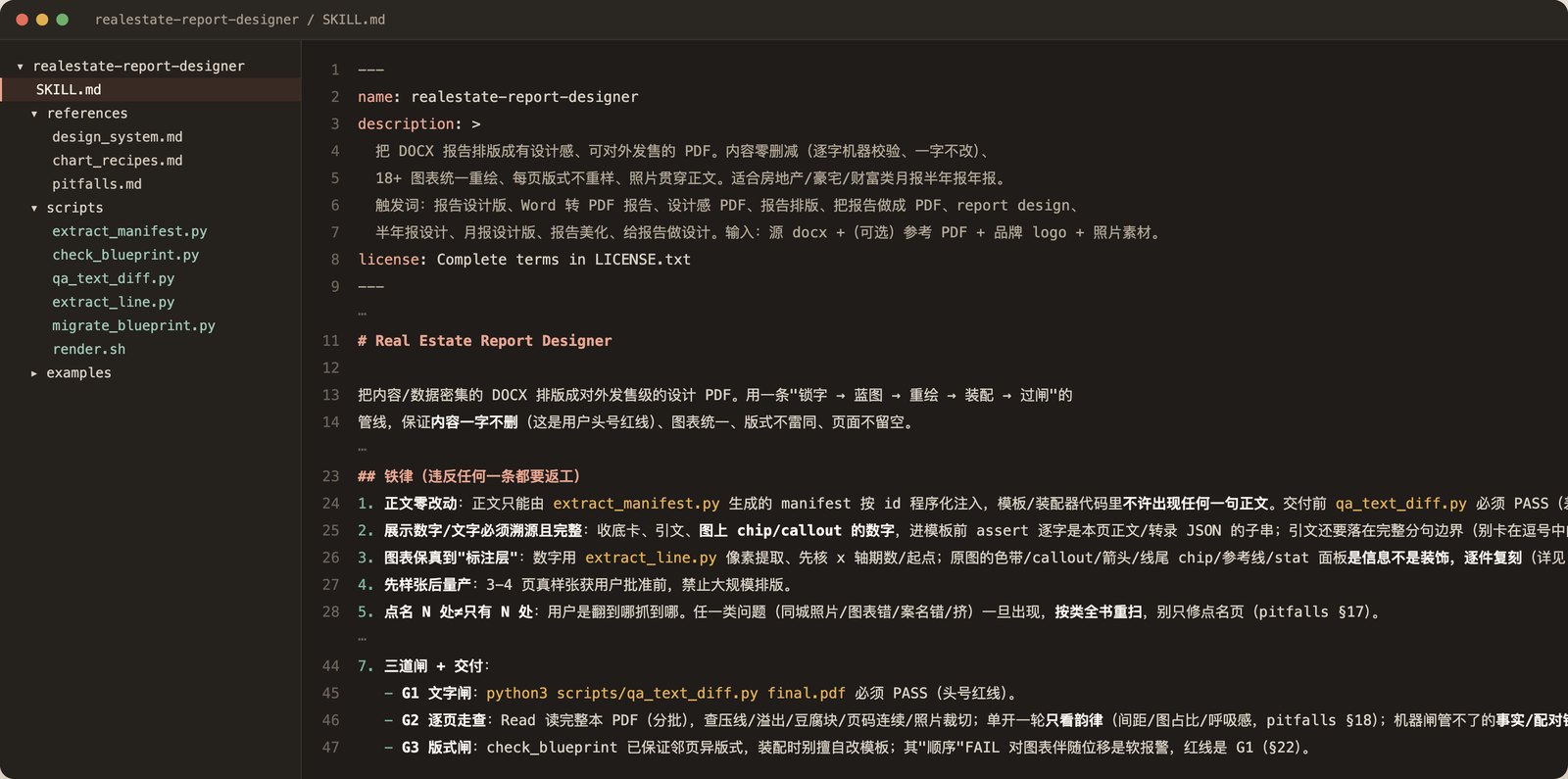
Instruction file of the report-design Skill (excerpt, in Chinese): its hard rules and three release gates, with the check scripts in the folder on the left.
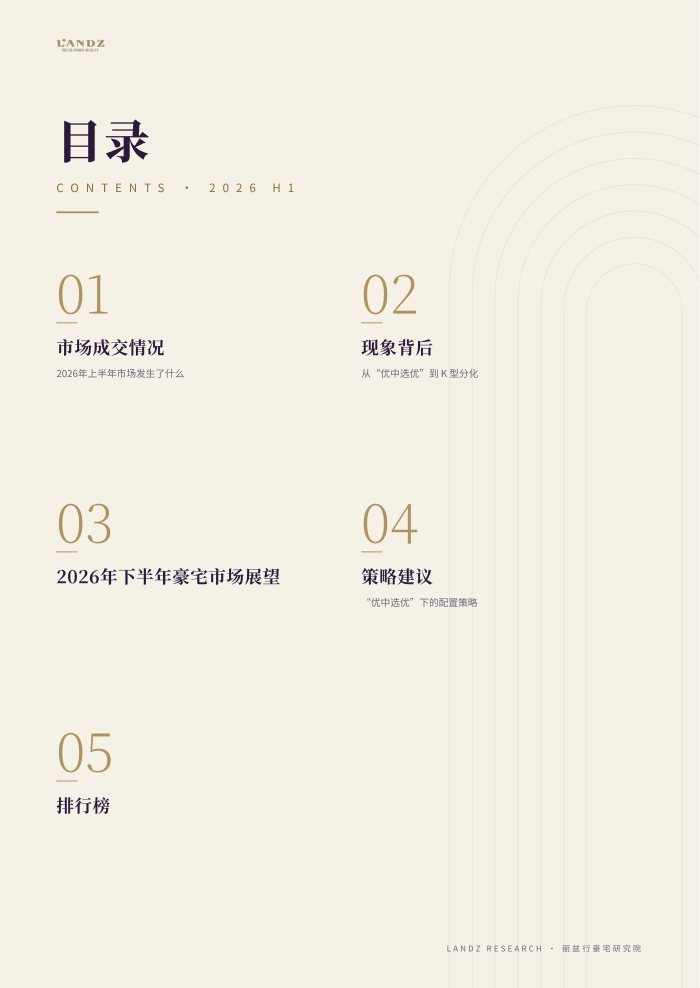
The same design workflow, reused for a mainland report
A report on luxury housing in China's first-tier cities that I designed.
05Reflection
Looking back: build the data foundation before writing reports
The problem
Every report meant hunting for data and re-aligning definitions again. The business also needed data on demand.
→
What I did next
I led the design of our research database at Global Research: 5 data stores and 19 tables, with definitions aligned before data is cleaned and loaded.
The goal: let everyone's AI on the team query it directly.